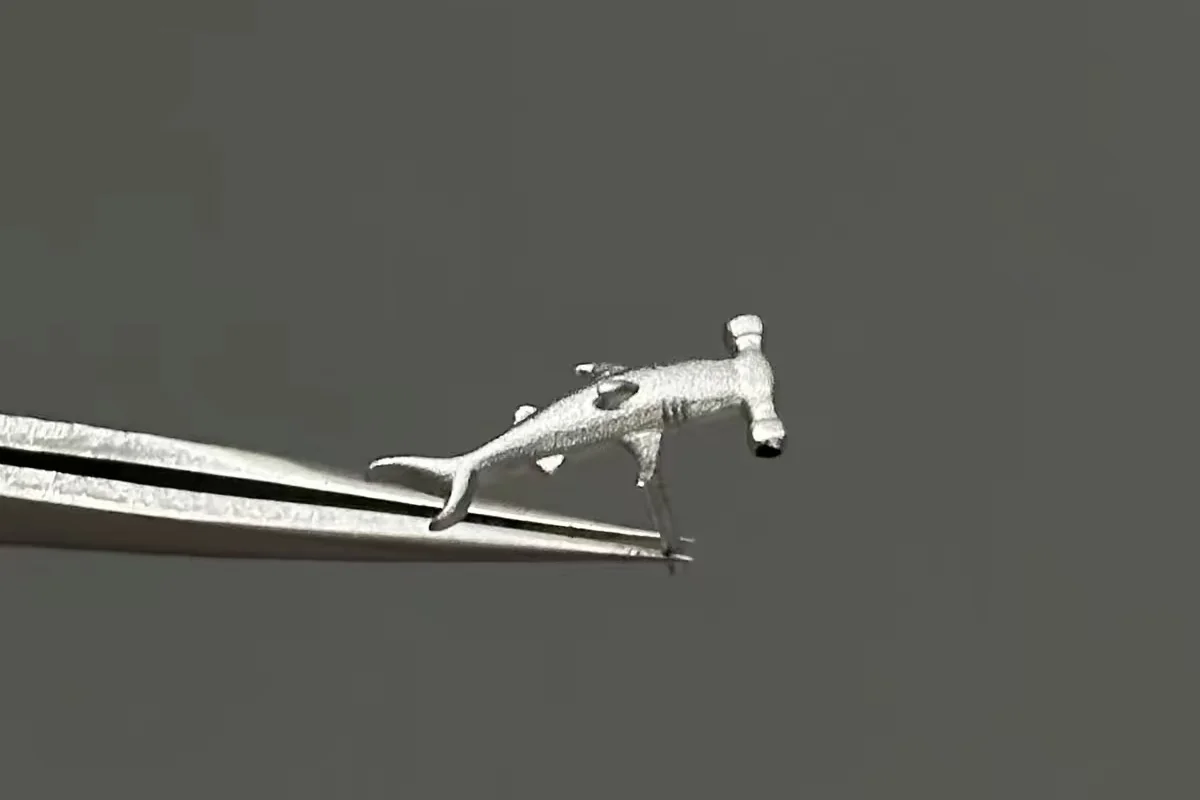
Marine jewelry has a way of meaning more than other accessories. A pair of hammerhead shark sterling silver earrings isn't just a beach-vacation afterthought — it's a small, sculptural nod to the ocean, conservation, and one of the most recognizable sharks on the planet. Whether you're shopping for yourself or hunting for a gift for a diver, surfer, or marine biology fan, here's what to know before you buy.
Why Hammerhead Shark Earrings Are Having a Moment
Hammerheads are impossible to confuse with anything else. That wide, T-shaped head makes the silhouette instantly readable, even at thumbnail size. Designers love it because the shape is dramatic without needing extra detail, and wearers love it because it reads as intentional — not generic.
Compared to plain dolphin or whale silhouettes, hammerhead shark earrings feel a little more specific. They signal that the person wearing them actually cares about the animal, not just a vague "beachy" aesthetic. That specificity is why the search term has climbed steadily: people want jewelry that matches a real interest, not a trend they saw once.
What "Sterling Silver" Actually Means for Your Ears
Sterling silver is 92.5% pure silver mixed with 7.5% other metals — usually copper — to give it strength. Without that alloy, pure silver would scratch and bend too easily for daily-wear earrings. The 925 stamp you'll see on quality pieces is shorthand for that ratio.
- Won't turn green on most people (that's usually cheap plating reacting to sweat)
- Has a cooler, slightly brighter white shine than stainless steel
- Easy to polish back to brightness if it tarnishes
- Affordable enough that you can own several ocean-themed designs
One note: sterling silver does contain trace nickel sometimes, depending on the alloy. If you have a diagnosed nickel allergy, look for nickel-free sterling or consider implant-grade titanium for fresh or sensitive piercings. We break that down in our body jewelry materials guide.
A Closer Look at the Design